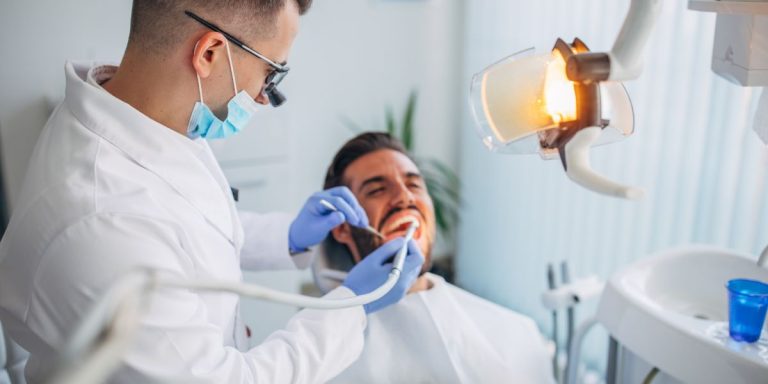
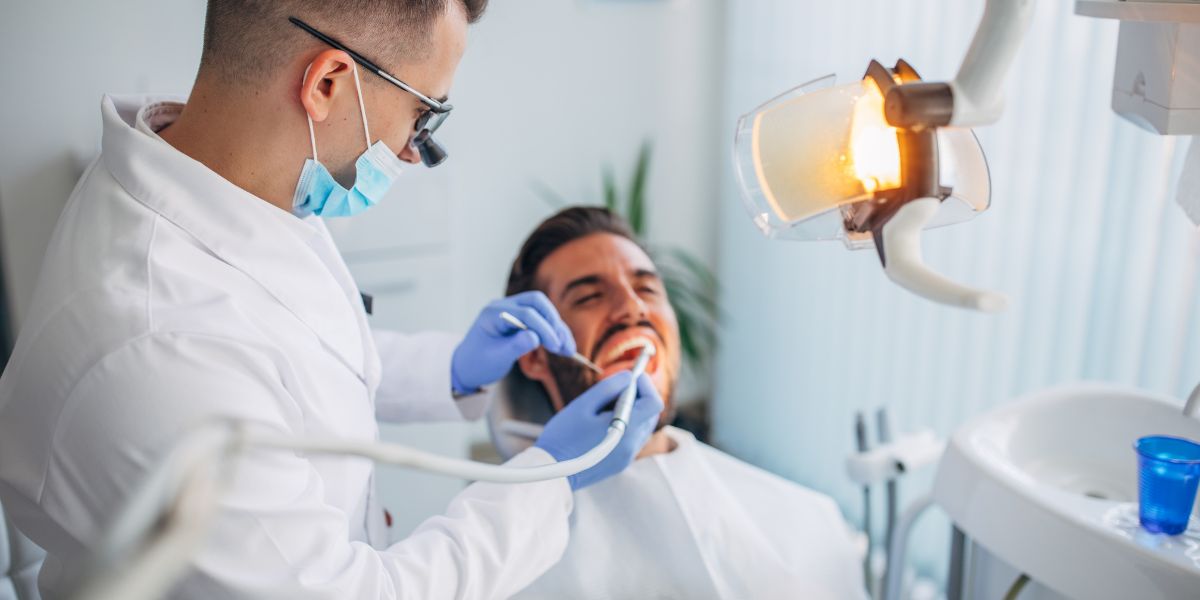
A healthy smile plays an important role in everyday life. It affects how people eat, speak, smile, and feel about their appearance. Good oral health also supports comfort and confidence, making it easier to enjoy daily routines without pain, sensitivity, or worry. While many people visit the dentist only when something feels wrong, regular dental care is one of the best ways to prevent problems before they become serious.
General dentistry focuses on maintaining the health of teeth, gums, and the entire mouth. It includes routine checkups, cleanings, fillings, gum care, restorative treatments, patient education, and preventive support. By visiting a dentist regularly, patients can protect their teeth, address concerns early, and build habits that support long-term oral wellness.
Why Regular Dental Visits Matter
Routine dental visits are important because many oral health issues begin quietly. A small cavity, early gum inflammation, enamel wear, or a cracked filling may not cause pain at first. Without regular exams, these problems can grow and eventually require more complex treatment.
For patients looking for a trusted General Dentist in Kelowna BC, consistent dental care can help support both prevention and early treatment. Regular appointments allow a dental team to monitor oral health, clean areas that are difficult to reach at home, and recommend care based on each patient’s needs.
The Role of Preventive Dentistry
Preventive dentistry is one of the most valuable parts of oral health care. It focuses on reducing the risk of future dental problems. Preventive care may include exams, professional cleanings, fluoride support, oral hygiene guidance, X-rays when needed, and monitoring of gum health.
Prevention is often simpler, more comfortable, and less costly than waiting until a problem becomes painful. A small issue found early may be easier to treat than one that has been left untreated for months or years. Preventive dentistry helps patients stay ahead of these concerns.
Professional Dental Cleanings
Even with good brushing and flossing, plaque and tartar can build up in areas that are difficult to clean at home. Professional dental cleanings remove this buildup and help keep the teeth and gums healthier. Cleanings can also help reduce surface stains, freshen breath, and make the mouth feel cleaner.
During a cleaning, a dental hygienist can also check for signs of gum irritation, plaque buildup, bleeding, or other concerns. This information helps guide home care recommendations and supports better long-term oral health.
Dental Exams and Early Detection
Dental exams give the dentist an opportunity to check the teeth, gums, bite, jaw, restorations, and overall oral condition. These exams can help identify cavities, gum concerns, cracked teeth, worn enamel, damaged fillings, and other problems that may need attention.
Early detection is important because dental concerns often become harder to treat when they are ignored. A cavity that begins small may eventually lead to pain or infection. Gum inflammation may progress if it is not managed. Regular exams help patients understand what is happening in their mouth and make informed decisions about care.
Gum Health and Long-Term Wellness
Healthy gums are essential for a strong smile. The gums and supporting bone help hold the teeth in place. When gums become inflamed or infected, patients may notice bleeding, swelling, tenderness, bad breath, or gum recession. If gum disease progresses, it can affect tooth stability and overall oral health.
Regular cleanings and dental exams can help monitor gum health. Patients may also receive guidance on brushing, flossing, and other home care habits that support healthier gums. Taking care of the gums is just as important as caring for the teeth.
Restorative Dentistry for Damaged Teeth
When a tooth is affected by decay, wear, or minor damage, restorative dental care can help rebuild strength and function. Fillings are commonly used to repair cavities and protect the tooth from further decay. Other treatments, such as crowns or bridges, may be recommended depending on the situation.
The goal of restorative care is to help patients chew comfortably, protect the natural tooth structure when possible, and maintain a healthy bite. Treating damage early can help prevent more serious problems and keep the smile functioning well.
Comfortable Dental Care for Patients
Many people feel nervous about dental appointments. A supportive dental environment can make a big difference in how patients experience care. Clear explanations, gentle treatment, and a calm approach can help patients feel more comfortable during visits.
Good communication is important. Patients should understand what is being recommended, why it matters, and what options are available. When patients feel informed, they can make decisions with more confidence.
Dental Care for Different Stages of Life
Oral health needs can change over time. Children may need guidance with brushing, cavity prevention, and dental development. Teenagers may need support with orthodontic concerns, wisdom teeth monitoring, or sports-related dental protection. Adults may need cleanings, fillings, crowns, gum care, or cosmetic improvements. Seniors may need support with tooth wear, missing teeth, dry mouth, or restorations.
General dentistry can support patients through each stage of life. By adjusting care to each person’s age, health, and needs, a dental team can help patients maintain stronger oral health over time.
How Dental Care Supports Confidence
A healthy smile can improve confidence. When teeth feel clean, strong, and comfortable, people are more likely to smile, speak, and interact without feeling self-conscious. Dental care can support the appearance of the smile by addressing stains, chips, decay, old restorations, or gum concerns.
Cosmetic improvements often begin with good oral health. Clean teeth, healthy gums, and properly restored teeth create the foundation for a smile that looks and feels better. General dental care helps maintain that foundation.
Common Signs You Should See a Dentist
Patients should schedule a dental appointment if they notice tooth pain, sensitivity, bleeding gums, swelling, bad breath, loose teeth, chipped teeth, jaw discomfort, or pain while chewing. These symptoms may be signs of a dental issue that needs attention.
It is also important to book regular appointments even when there are no symptoms. Some dental problems do not cause pain right away. Routine checkups help identify concerns early and keep oral health on track.
Building Strong Home Care Habits
Daily home care is a key part of dental health. Brushing twice a day, flossing regularly, drinking water, limiting sugary foods and drinks, and following dental recommendations can all help protect teeth and gums.
A dentist or hygienist can provide personalized advice based on a patient’s oral health. Some patients may need help with sensitive teeth, gum health, dental restorations, or areas that are difficult to clean. Professional care and home care work best together.
Why Choosing a Local Dentist Matters
Convenience can make it easier to stay consistent with dental care. When a dental clinic is close to home, work, or school, patients may find it easier to schedule routine visits and address concerns before they become serious. Local dental care can also help families manage appointments more easily.
Patients who want to learn more about dental services and ongoing oral health care can visit https://pandosyvillagedental.ca/.
Long-Term Benefits of Consistent Dental Care
Consistent dental care can help reduce the risk of cavities, gum disease, tooth loss, pain, and expensive dental problems. Regular visits also help patients stay informed about their oral health and take action when needed.
Dental care is not only about fixing problems. It is about protecting health, preventing future issues, and helping patients feel confident in their smiles. With the right support, patients can maintain stronger teeth, healthier gums, and better comfort for years.
Creating a Healthier Smile for Everyday Life
A healthy smile requires both professional care and daily attention. Routine exams, cleanings, preventive support, restorative treatment, and good home habits all work together to protect oral health.
By making dental care part of a regular wellness routine, patients can enjoy better comfort, improved confidence, and a stronger foundation for long-term oral health. A trusted dental team can help guide that process and support a smile that feels healthy, clean, and confident.